
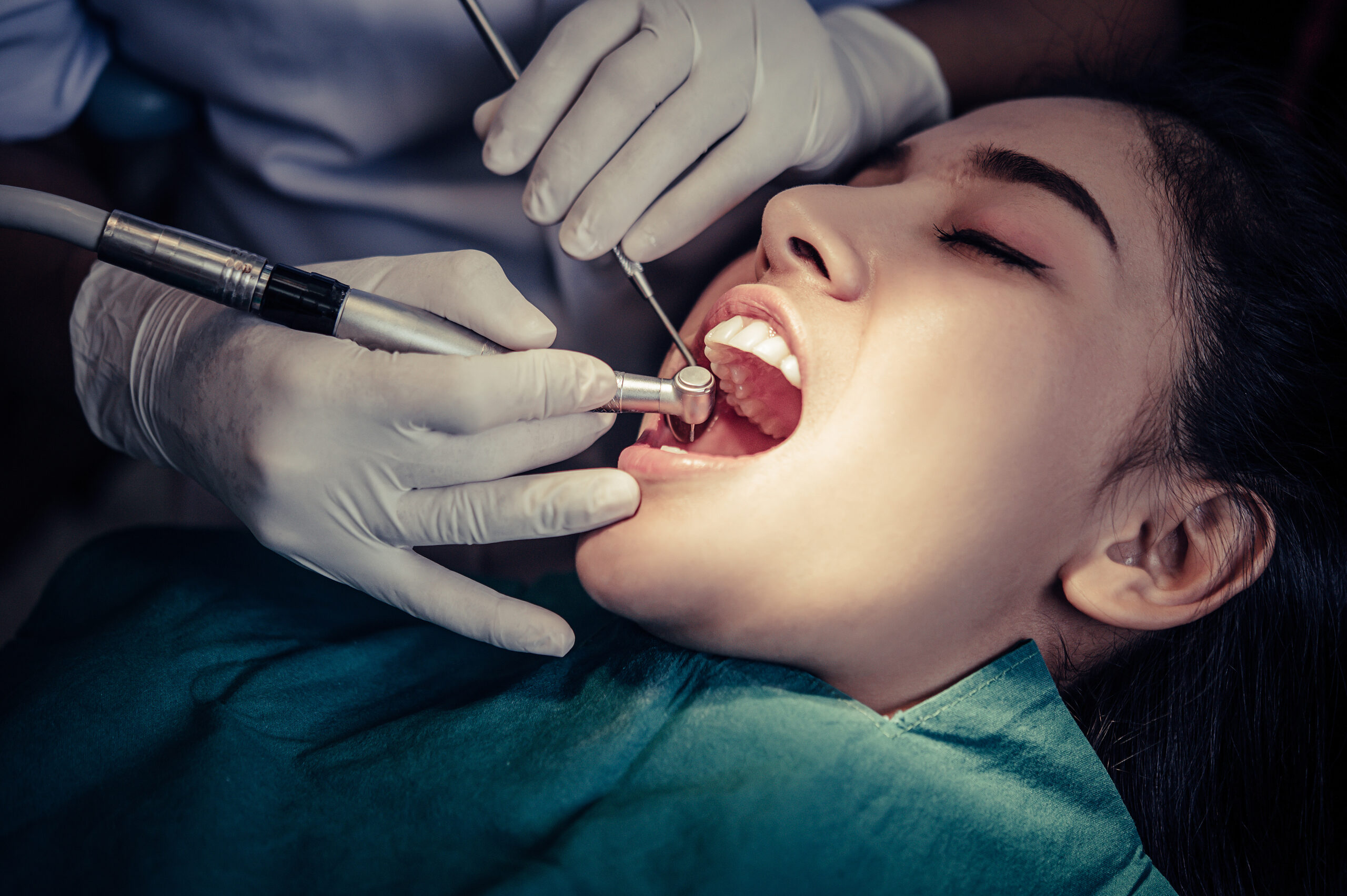
Here is a question we get all the time at our Waterloo office, and we want to give you a genuinely honest answer rather than the vague, non-committal response you will find on most dental websites.
“Is every six months actually necessary? Or is that just something dentists say?”
It is a fair question. And the real answer might surprise you.
The “Twice a Year” Rule: Where Did It Actually Come From?
Let us start with something most dental blogs will never tell you. The six-month cleaning schedule that has been drilled into most of us since childhood did not originate from a landmark clinical study or a government health recommendation. According to dental historians and researchers, it was popularized largely through a 1950s toothpaste advertising campaign. The catchy rhythm of “visit your dentist twice a year” stuck in the public consciousness, and the dental industry quietly adopted it as standard practice.
Here is what modern research actually says. A Cochrane systematic review found insufficient evidence to conclude that six-month cleanings are universally superior to longer intervals for patients at low risk. The American Dental Association does not mandate twice-yearly visits. It recommends visits at intervals determined by your individual oral health needs. The Canadian Dental Association echoes this: every six months is a reasonable starting point for most people, but the actual answer depends on you specifically.
That does not mean dental cleanings are unnecessary. Not even close. It means the best cleaning schedule is the one that matches your actual risk level, not a calendar convention designed in the era of black and white television.
Why Dental Cleanings Matter More Than Most People Realize
Before we get to the question of how often, let us talk about why cleanings matter so much in the first place, because the science here is genuinely fascinating and most people do not know the full picture.
Within four to twelve hours of brushing your teeth, a new layer of plaque starts forming on your tooth surfaces. Plaque is a sticky, colorless film of bacteria that feeds on the sugars in your food and releases acids that gradually erode your enamel. So far, manageable. The real problem starts around the 48 to 72 hour mark.
If plaque is not removed consistently and thoroughly, it begins to harden. Minerals in your saliva, primarily calcium phosphate, start binding to that bacterial film. Within 10 to 12 days, that soft, removable film becomes calculus, which is the technical name for tartar. And here is the key thing: once it hardens, no amount of brushing, flossing, or rinsing will touch it. Only a professional cleaning with specialized instruments can remove it.
Calculus does not sit there harmlessly either. Its rough surface is the perfect landing pad for more bacteria, which means it accelerates plaque buildup. It irritates the gum tissue, which responds with inflammation. That inflammation is the beginning of gingivitis. Left unaddressed, gingivitis progresses to periodontitis, a condition where the infection moves below the gum line and begins destroying the bone that holds your teeth in place.
Here is a Canadian statistic worth sitting with: according to Statistics Canada data from 2023 and 2024, more than one in four Canadians did not visit an oral health professional at all in the previous twelve months. Among those who skipped visits, nearly half cited cost as the reason. We understand that completely. But the clinical reality is that skipping cleanings often turns smaller, inexpensive problems into larger, much more expensive ones over time.
So, How Often Do YOU Need a Dental Cleaning?
This is where we get specific, because the honest answer is not the same for every person sitting in our chair.
At Chiu Dental, we think about dental cleaning frequency through the lens of risk. Every patient falls somewhere on a spectrum from low risk to high risk, and your position on that spectrum is what should determine your cleaning schedule, not a rule invented by a toothpaste company.
Here is a practical way to think about it.
You Probably Need a Cleaning Every Six Months If You:
- Have no history of gum disease or periodontitis
- Get a clean bill of health at most of your dental checkups
- Brush twice daily and floss consistently
- Do not smoke or use tobacco products
- Have no systemic health conditions that affect oral health
- Are not currently undergoing orthodontic treatment
For people in this category, twice-yearly cleanings are both sufficient and worthwhile. They remove the calculus that even perfect home care cannot address, allow us to catch early-stage cavities before they become root canals, and give us a complete picture of your oral health twice a year.
You May Need a Cleaning Every Three to Four Months If You:
- Have been diagnosed with gum disease at any stage
- Have a history of periodontitis, even if it is currently well-controlled
- Are diabetic or managing another condition that affects your immune response
- Smoke or use tobacco in any form
- Are undergoing orthodontic treatment with braces, which creates many more surfaces for plaque to hide
- Have a dry mouth, either naturally or as a side effect of medication
- Build up tartar faster than average (your dentist will tell you if this applies to you)
- Are pregnant, as hormonal changes significantly increase susceptibility to gum inflammation
For patients in this group, three to four month cleanings are not excessive. They are the evidence-based standard of care. Gum disease is a bacterial infection that does not pause between visits. More frequent professional removal of bacterial deposits below the gum line is what keeps the infection from progressing and stabilizes the condition long-term.
Children and Teens in Kitchener Waterloo
For kids and teenagers, the standard is generally every six months, but the timeline matters for different reasons than it does for adults. Children’s teeth are more porous and more vulnerable to decay than adult teeth. Routine cleanings in childhood also establish the habits and comfort with dental care that carry through into adulthood.
Research has shown that children without dental insurance are significantly more likely to miss routine care than those with coverage. The Canada Dental Care Plan has improved access for many families across Ontario, and we are happy to help you understand whether your family qualifies and what it covers.
The Kitchener Waterloo Lifestyle and Your Oral Health
Here is something specific to our community that rarely gets discussed. Living in the Kitchener-Waterloo region means being part of one of the most vibrant, busy, and culturally rich communities in Ontario. It also means a lot of the same lifestyle patterns that affect oral health across the country: long work days, coffee culture, busy families juggling schedules, and the understandable tendency to push dental appointments back when life gets hectic.
We see it every week. Patients who genuinely meant to come in six months ago and are now sitting in our chair with a cavity that would have been a ten-minute filling six months ago but now requires more extensive treatment. We are not saying this to make anyone feel guilty. Dental avoidance is extremely common across Canada, and the reasons are completely understandable. We are saying it because the math genuinely does not work in the favor of skipping visits.
A routine cleaning costs a fraction of what a filling costs. A filling costs a fraction of what a crown costs. A crown costs a fraction of what an implant costs. Every step up that ladder was almost always preventable with consistent professional care.
What Actually Happens During a Dental Cleaning at Chiu Dental?
If it has been a while and you are not sure what to expect, here is a straightforward walkthrough of what a cleaning appointment at our Waterloo office looks like.
Scaling: Your dental hygienist uses specialized instruments to remove calculus and plaque from all surfaces of your teeth, including the areas between teeth and along the gum line that brushing cannot reach. For patients with deeper deposits below the gum line, a more thorough cleaning called scaling and root planning may be recommended.
Polishing: Your teeth are polished with a mildly abrasive paste that removes surface stains and leaves enamel smooth, which actually makes it harder for plaque to adhere going forward.
Flossing: Professional flossing cleans between every tooth and allows your hygienist to assess the tightness and health of the spaces between your teeth.
Examination: Your dentist examines your teeth, gums, and soft tissues. X-rays are taken at appropriate intervals to check for decay between teeth and changes in bone levels that are not visible to the naked eye.
Personalized advice: You get real, specific feedback about your home care, not generic instructions. If we notice you are missing a particular spot consistently, we show you exactly how to address it.
The whole appointment typically takes between 45 and 90 minutes, depending on how much buildup is present and whether X-rays are taken.
What Happens If You Wait Too Long Between Cleanings?
We want to be straightforward about this because glossing over the consequences does not help anyone.
If you extend your cleaning intervals significantly beyond what your risk level warrants, here is what tends to happen over time:
Plaque and calculus accumulate in areas you cannot clean at home, particularly below the gum line. Gum inflammation becomes chronic. Pockets begin to form between the teeth and gums, creating deep spaces where bacteria thrive beyond the reach of any toothbrush. Bone loss begins, silently and without pain in most cases, until it is significant enough to affect tooth stability.
The challenging part is that gum disease in its early and moderate stages is almost entirely painless. This is why patients are sometimes genuinely shocked when we tell them they have gum disease after a long gap between visits. The absence of pain is not the same as the absence of disease. By the time a tooth aches or feels loose, the disease has been progressing for a long time.
This is not meant to alarm you. It is meant to be honest with you. Because the good news is that caught early, gum disease is very manageable. Consistent professional care, combined with solid home hygiene, can stabilize the condition and protect your teeth for decades.
Frequently Asked Questions About Dental Cleanings in Kitchener Waterloo
Is a dental cleaning painful?
For most patients with a consistent cleaning schedule, the appointment is comfortable. If it has been a long time since your last cleaning, there may be some sensitivity, particularly around the gums. We go gently and can pause anytime you need. If anxiety is a concern, let us know and we will talk through options before we begin.
Will a cleaning make my teeth sensitive?
Some temporary sensitivity is normal after a cleaning, particularly if significant tartar was removed. It typically settles within a day or two. Using a sensitivity toothpaste before your appointment can help.
Does dental insurance cover cleanings in Ontario?
Most private dental insurance plans in Ontario include two cleanings per year under their preventive care benefits. If your dentist recommends three or four cleanings due to gum disease, many plans cover additional visits under their periodontal benefits. Our team will help you understand what your specific plan covers.
What does the Canada Dental Care Plan cover for cleanings?
The CDCP, which provides dental coverage to eligible Canadians without private insurance, does include coverage for preventive care including cleanings. If you are unsure whether you qualify, we are happy to help you figure that out.
I brush and floss religiously. Do I still need professional cleanings?
Yes, genuinely. Perfect home care reduces how much calculus builds up, which is wonderful, but it does not eliminate it entirely. The areas where your toothbrush and floss cannot reach consistently, particularly just below the gum line and between teeth near the back of your mouth, still accumulate deposits over time. Professional cleaning addresses what home care cannot.
Is it too late to start going regularly again after a long gap?
Never. Regardless of how long it has been, the most important cleaning is the next one. We are not here to lecture you about gaps in care. We are here to help you get back on track without judgment.
A Quick Self-Assessment: What Cleaning Schedule Might Be Right for You?
Think through these questions before your next appointment. They are the same kinds of questions we consider when making our recommendation.
- When was your last dental cleaning? If you cannot remember, it has been too long.
- Have you ever been told you have gum disease or deep pockets?
- Do your gums bleed when you brush or floss?
- Do you smoke or have you smoked in the past few years?
- Do you have diabetes, heart disease, or another systemic condition?
- Are you pregnant or planning to become pregnant soon?
- Are you currently wearing braces or clear aligners?
- Do you take medications that cause dry mouth?
If you answered yes to any of the last six questions, a cleaning every three to four months is likely the right frequency for you. If your answers are mostly no and your last checkup was clean, every six months is probably appropriate.
The only way to know for certain is to have your mouth assessed by a professional who can look at what is actually happening below the gum line, not just on the surface.
Why Kitchener Waterloo Patients Choose Chiu Dental for Their Cleanings
Chiu Dental is Kitchener-Waterloo’s friendly dental home, and our approach to cleanings is the same as our approach to everything else we do: thorough, personalized, and genuinely focused on you.
We do not run through cleanings on a conveyor belt. We take the time to actually look at what is happening in your mouth, give you meaningful feedback, and help you understand what your oral health looks like right now and what it could look like with consistent care.
For patients who have been away for a while, we promise there is no judgment here. We have seen it all, and our job is to help you move forward, not to make you feel bad about the past.
We are currently accepting new patients at our Waterloo office, located at 113-5 Father David Bauer Dr, Waterloo, ON N2L 6M2. Call us at (519) 884-0887 to book your cleaning, or schedule online today.
Your next cleaning is the most important one. Let us make it a good experience. We would love to hear about your visit afterward, so feel free to leave us a review and help others in the Kitchener-Waterloo community find dental care they can count on.
Chiu Dental. Real care. Real answers. Right here in Waterloo. Book your appointment now.