
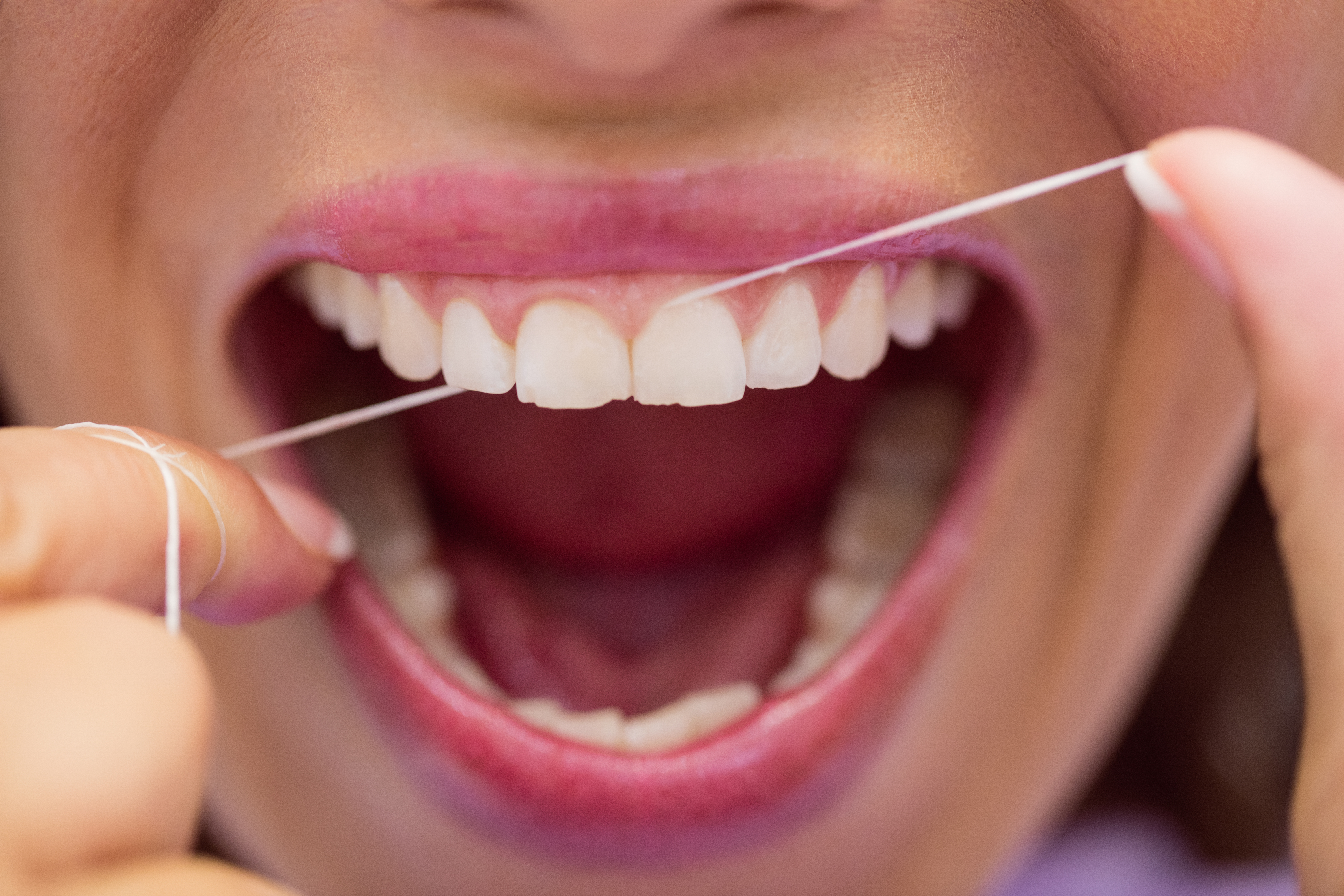
Most people notice it, make a mental note, and move on. A little blood on the floss. A faint pink tinge in the sink after brushing. It happens so often that a lot of Canadians have quietly filed it away as just a normal part of flossing.
It is not normal. And the reason so many people believe it is has less to do with dental education and more to do with how easy it is to ignore a symptom that does not hurt.
Here is the truth: healthy gums do not bleed. Not when you floss gently, not when you brush, not when you eat an apple. Bleeding is your gum tissue telling you something is wrong, and the earlier you pay attention to that signal, the simpler and less expensive the fix.
Let us walk through what is actually happening, why it matters more than most people realize, and what you can do about it starting today.
First: How Common Is This Really?
Very. Research has shown that as many as 16 million Canadians have gingivitis at any given time. A large multicenter study found that more than 63% of adults reported self-noticed bleeding when brushing or flossing. The World Health Organization has identified severe periodontal disease, the advanced stage that begins with bleeding gums, as one of the most prevalent chronic diseases worldwide, affecting well over one billion people.
So if your gums bleed and you assumed it was just you, or just your sensitive gums, or just a consequence of flossing too infrequently, you are in a very large group. The problem is not that it is uncommon. The problem is that it is overwhelmingly normalized when it should not be.
The most important thing to understand about bleeding gums
Healthy, well-maintained gum tissue has a tight, intact seal around each tooth that does not break open during routine cleaning. When gums bleed from gentle flossing, that seal is already compromised. Inflammation has weakened the tissue. The blood is not from the floss cutting you. It is from inflamed capillaries in gum tissue that has lost its normal resilience.
What Is Actually Causing the Bleeding?
The most common cause: gingivitis. Gingivitis is an inflammation of the gum tissue caused by the accumulation of plaque, the sticky bacterial film that forms on your teeth daily. When plaque is not removed consistently, particularly from just below the gum line and between teeth where flossing is the only effective tool, the bacteria in that plaque irritate the surrounding gum tissue. The tissue becomes inflamed. Inflamed tissue is swollen, fragile, and full of tiny blood vessels that sit much closer to the surface than they do in healthy gums. Touch that tissue with floss and it bleeds.
Here is the part that catches most people off guard: gingivitis is almost always painless. There is no toothache. No sensitivity in the early stages. Nothing that reads as obviously wrong except that quiet spot of blood on your floss that most people have learned to ignore.
Gingivitis, caught at this stage, is completely reversible. That matters enormously and we will come back to it.
Other Reasons Your Gums Might Bleed
Plaque-driven gingivitis is the most common cause, but it is not the only one. These are worth knowing:
Flossing infrequently. If you floss rarely and then suddenly floss properly, your gums may bleed the first few times simply because the tissue is not conditioned to regular contact. This kind of bleeding should improve within a week or two of consistent daily flossing. If it does not stop improving after two weeks of daily flossing, something else is going on.
Brushing too aggressively. Applying hard pressure with a medium or firm-bristled brush can damage gum tissue and cause bleeding that is unrelated to gum disease. This pattern also causes gum recession over time, which is not reversible. If you are a hard brusher, switching to a soft-bristled brush and reducing pressure is genuinely important.
Pregnancy gingivitis. Hormonal shifts during pregnancy increase gum tissue sensitivity and inflammatory response to plaque. Many pregnant women who never had gum issues before find their gums bleed easily during the second and third trimesters. This typically resolves after delivery, but it still warrants a dental visit because untreated gingivitis during pregnancy has been associated in some research with preterm birth risk.
Medications. Blood thinners such as warfarin or aspirin taken regularly reduce your blood’s clotting ability, which can make gum bleeding more pronounced even when underlying gum health is reasonably good. Certain medications also cause dry mouth, which removes one of your natural defenses against plaque buildup. If you have started a new medication and noticed more gum bleeding than before, mention it at your next dental visit.
Vitamin C or K deficiency. Less common in Canada than in some parts of the world, but nutritional deficiencies, particularly in vitamins C and K, can affect gum tissue health and clotting. If bleeding gums is accompanied by bruising easily elsewhere on your body, it is worth discussing with your physician as well.
Ill-fitting dental appliances. Dentures, retainers, or orthodontic devices that do not fit properly can create areas of chronic irritation that lead to localized bleeding.
The Stage You Are At Matters: From Gingivitis to Periodontitis
Here is the progression that most people do not fully understand, laid out simply. Gingivitis and periodontitis are not two separate diseases. They are two stages of the same disease process, separated by whether the infection has remained above the gum line or moved below it.
| Stage | What Is Happening | What You Might Notice | Is It Reversible? |
| Healthy Gums | Gum tissue is firm, pink, and well-attached to teeth | No bleeding when flossing or brushing | N/A – already healthy |
| Gingivitis | Plaque bacteria cause inflammation in gum tissue | Bleeding on flossing, redness, puffiness, possible bad breath | Yes – fully reversible with improved home care and a professional cleaning |
| Early Periodontitis | Infection begins moving below the gum line; small pockets forming | Persistent bleeding, gums pulling slightly away from teeth | Controlled but not fully reversed – professional treatment required |
| Moderate Periodontitis | Pockets deepen; bone loss beginning | Bleeding, sensitivity, possible bad taste or odour that does not resolve | Managed with scaling and root planing; bone loss is permanent |
| Advanced Periodontitis | Significant bone and tissue destruction | Loose teeth, shifting bite, gum recession, pain when chewing | Requires intensive treatment; some tooth loss may occur |
Why the reversibility window matters
Gingivitis is the only stage of gum disease that is fully reversible. Once the infection has destroyed bone, that bone does not regenerate on its own. This is why the bleeding you see while flossing right now, the mild, easy-to-dismiss symptom, is the most important moment to act. Everything is still fixable at this stage.
What Healthy Gums Actually Look Like
It is worth painting a picture of what we are aiming for, because a lot of patients have never had a dentist explicitly describe it.
- Colour: Coral pink in most people, though the exact shade varies with skin tone and is normal across a range
- Texture: Firm and stippled, almost like orange peel texture. Healthy gum tissue is not soft, puffy, or shiny
- Position: Sits snugly around the base of each tooth without gaps or visible recession
- Response to gentle flossing: No bleeding. None. Gentle flossing on healthy tissue produces no blood
- Smell: Neutral. Persistent bad breath is often a sign of bacterial activity below the gum line, even when the teeth look clean
What to Do Right Now If Your Gums Bleed
You have two tracks to run simultaneously: what you do at home starting today, and what needs to happen professionally.
At home:
- Floss every single day. Not three times a week. Every day. The most reliable way to reduce gum bleeding from gingivitis is consistent daily removal of the plaque that is causing the inflammation. Many patients tell us the bleeding got worse when they started flossing daily, then stopped entirely within one to two weeks. That is normal and expected.
- Use a soft-bristled toothbrush and lighten your pressure. You should be able to hold the brush with just your fingertips, not your fist.
- Brush for the full two minutes, twice daily. The back molars and the gum line on the inside surfaces of your lower front teeth are the areas most people consistently under-brush.
- Use a fluoride toothpaste. If your dentist has recommended an antimicrobial or prescription-strength toothpaste for you, use it as directed.
- A warm salt water rinse used gently, not swishing hard, can help soothe inflamed gum tissue while you work on improving your routine.
Professionally:
- Book a dental cleaning. If your gums are bleeding regularly, a professional cleaning is the single most effective intervention available. Home care alone cannot remove hardened tartar below the gum line. A cleaning removes the deposits that are sustaining the inflammation, giving your gum tissue the chance to heal.
- Tell your hygienist where the bleeding is happening. We chart bleeding sites at every cleaning and track changes over time. This is genuinely useful clinical information.
- If deep pocketing is found, we may recommend scaling and root planning, a deeper cleaning that reaches below the gum line to address early periodontitis. This is done under local anesthesia and is far more comfortable than most patients expect.
How long until the bleeding stops?
With consistent daily flossing and a professional cleaning, most patients with gingivitis see a significant improvement in bleeding within two to four weeks. Some see it resolve even faster. The timeline depends on how much tartar buildup was present and how consistently the home care routine is maintained afterward.
Frequently Asked Questions About Bleeding Gums
My gums only bleed when I floss, not when I brush. Does that mean it is less serious? Not necessarily. Flossing reaches areas between teeth and just below the gum line that brushing misses, which is exactly where the earliest signs of gingivitis appear. Bleeding only on flossing often means the inflammation is concentrated in those interproximal areas, which is the most common pattern.
I have heard that bleeding means I need to floss more, not less. Is that true? Yes. The instinct to floss less gently or to avoid flossing areas that bleed tends to make things worse. The bleeding is from inflammation driven by bacterial accumulation, and the way to reduce that accumulation is more consistent flossing, not less.
My child’s gums bleed when I help them brush. Is that normal? Not typically, though children can develop gingivitis too, particularly during times of hormonal change or orthodontic treatment when cleaning is harder. If your child’s gums bleed regularly, mention it at their next dental visit.
My gums bleed but my teeth look fine. How can I have gum disease? Gum disease primarily affects the tissue and bone below the visible gum line in its early and moderate stages. Teeth can look perfectly white and intact while the supporting structures underneath are actively inflamed. X-rays and probing measurements at a dental exam are what actually reveal what is happening below the surface.
Is bleeding gums linked to heart disease? There is a well-documented association between periodontal disease and cardiovascular health. The current understanding is that chronic gum infection creates systemic inflammation and allows oral bacteria to enter the bloodstream, which may contribute to arterial inflammation. The research on the strength of the causal link is ongoing, but treating gum disease is considered beneficial for overall health, not just oral health.
Chiu Dental Is Here to Help, Without Judgment
Here is something we want to say directly: if you have been ignoring bleeding gums for a while because life has been busy, or because dental visits make you anxious, or because you did not realize it was something worth addressing, that is completely understandable. We hear this all the time from patients across Kitchener and Waterloo.
We are not here to make anyone feel bad about where their gum health is right now. We are here to help you understand what is happening and what it takes to improve it. The good news, if you caught this early, is genuinely very good: gingivitis is fully reversible, professional treatment is straightforward, and most patients are genuinely surprised by how quickly their gums respond once proper care starts.
Chiu Dental is Kitchener-Waterloo’s friendliest dental practice, and we are currently accepting new patients. If your gums have been bleeding and you know it has been too long since your last cleaning, let us take a look.
Our office is located at 113-5 Father David Bauer Dr, Waterloo, ON N2L 6M2. Call us at (519) 884-0887 to book your appointment, or schedule online at hellochiu.com. For dental emergencies, reach us at 1-888-757-9361.
After your visit, we would love to hear about your experience. Leaving us a review helps other Kitchener-Waterloo residents find the kind of dental care they can actually feel comfortable with.
Chiu Dental. Honest care. No judgment. Right here in Waterloo.